Nurturing Students to Be
Exceptional Practitioners of Acupuncture & Traditional Chinese Medicine
If you are passionate about becoming a healer and immersing in 38 generations of Chinese Medicine lineage, our Masters and Doctorate degree programs at Yo San University are at the forefront of integrative healthcare.
Attending Yo San University is a deeply nourishing experience, both for those who practice and those who receive the transformative power of traditional Chinese medicine and acupuncture.
Our practitioners and educators are part of an integrative health movement.

Clinical Training
For Students at Yo San University
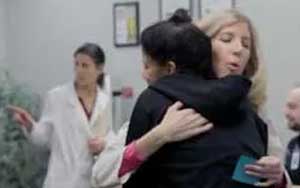
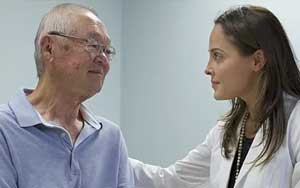
We offer our students exceptional opportunities to develop their skills in real-world settings.
YSU is the busiest TCM university clinic in the country, seeing over 16,000 patients per year.
With our externship partners below, our students and resident fellows are seeing over 20,000 patients per year.
 |  |  |  |
Yo San University has established clinical training partnerships with prestigious institutions such as the USC Institute for Integrative Health & Wellness and the UCLA Venice Family Clinic. These collaborations include externship programs, which are short-term, supervised practical experiences in professional settings.
By working alongside experienced professionals in diverse, multidisciplinary medical facilities, our students gain invaluable hands-on experience. These partnerships not only strengthen the educational journey of our students but also reflect our commitment to advancing holistic health and wellness in the communities we serve. Read More about this rich learning opportunity for YSU Doctoral and Master's Students
Immerse Yourself in Clinical Practice
Join the elite ranks of Chinese medicine practitioners through Yo San University's exclusive clinical residency program!
We proudly stand as the only institution in the nation that extends this opportunity to our master's and doctoral program graduates.
Upon passing the California Board license exam, graduates can compete for one of four coveted residency positions at the Yo San University Blount Community Clinic. Accepted residents don't just learn; they thrive as paid professional practitioners, seeing patients daily.
With complete access to front desk support, administrative staff, the herbal pharmacy, and the guidance of seasoned clinical supervisors and faculty, residents immerse themselves in actual practice management. This hands-on experience empowers them to expand their patient base and refine their skills.
After the transformative year-long residency, some exceptional residents may be invited to join our esteemed faculty, become a permanent practitioner at the YSU clinic, or even embark on a career within the university administration.
Our residents have paved the way to success, opening private clinics or joining established practices with the confidence and competence only continuous practice can instill. Your future in traditional Chinese medicine starts at Yo San University – be part of a legacy that transforms healing and health
Yo San Resident Profile: Cynthia Wang, DAOM, LAc.
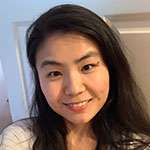 Dong Wang, or Cynthia, is a graduate of both YSU’s Master’s program and the Doctoral program with a specialty in Women’s Health and Fertility. She frequently treats patients with headaches including migraines, cluster and hormonal headaches, and gastrointestinal disorders. Dr. Wang also teaches in the master’s department focusing on Chinese medical terminology and herbal medicine, and is a Chinese astrologist helping people resolve issues surrounding their birth chart. In her free time she enjoys hot yoga, hiking and traveling.

Acupuncture Schools in North America: A Comprehensive Overview
Acupuncture schools in North America provide rigorous professional training programs in Traditional Chinese Medicine (TCM) and acupuncture, preparing students to become licensed practitioners in a growing field that blends ancient healing practices with modern healthcare. These programs vary widely in terms of length, intensity, and specialization, catering to different career goals and educational backgrounds.
Overview of Program Types and Curriculum
Program Types: Acupuncture and TCM education in North America is typically offered through a variety of academic pathways, including:
- Master’s Degrees: Most common among acupuncture schools, these programs generally last 4 years and offer comprehensive training in acupuncture, Chinese herbal medicine, and TCM theory. They are designed to prepare students for licensure and clinical practice.
- Doctoral Degrees: These include both entry-level doctorates and advanced practice doctorates. Entry-level doctorates are designed for students who wish to enter the field with a higher level of academic and clinical preparation, often integrating more advanced biomedical sciences and research components. Advanced practice doctorates or DAOM programs are usually for practitioners who already hold a master’s degree and seek further specialization or leadership roles in the field.
- Online Doctoral Completion Programs: Tailored for practicing Licensed Acupuncturists (LAc), these programs are designed for professionals who already hold a master’s degree in acupuncture or Oriental medicine. They offer a flexible, online format that allows practitioners to complete their doctoral studies without disrupting their practice. Online doctoral completion programs, also called transitional doctoral degrees can be completed in one year.
- Clinical Training: A significant component of all acupuncture programs, clinical training provides hands-on experience under supervision. It includes patient interaction, case management, and the integration of techniques learned in classroom settings into real-world practice.
- Chinese Herbal Medicine: In programs that include this component, students learn about the properties and clinical applications of Chinese herbs, often used in conjunction with acupuncture for comprehensive patient care.
Curriculum Components: Regardless of the program type, acupuncture schools cover a broad range of subjects essential to the practice of TCM and acupuncture. The curriculum typically includes:
- Anatomy and Physiology: A thorough understanding of the human body from both Western and Eastern medical perspectives is crucial. Courses cover systems of the body, pathology, and how acupuncture interacts with physiological processes.
- Chinese Medical Theory: This is the foundation of TCM, encompassing Yin-Yang theory, the Five Elements, Qi (energy) dynamics, and the concept of meridians through which Qi flows. Students learn how these theories underpin diagnosis and treatment in TCM.
- Diagnostic Techniques: Courses teach students how to assess patients using TCM methods such as pulse diagnosis, tongue diagnosis, and palpation of acupuncture points. These techniques are integral to developing a personalized treatment plan.
- Acupuncture Techniques: Students are trained in the precise location and manipulation of acupuncture points using needles. This includes the study of different needling techniques, moxibustion (the burning of mugwort on or near the skin), cupping, and electro-acupuncture.
- Chinese Herbal Medicine: In programs that include herbal medicine, students learn the properties, combinations, and clinical applications of Chinese herbs, which are often used in conjunction with acupuncture.
- Clinical Training: Hands-on clinical experience is a significant component, allowing students to practice under supervision in a variety of settings. This includes patient interaction, case management, and the integration of all learned techniques in real-world scenarios.
Accreditation and Licensure in the United States
Accreditation: In the United States, the primary accrediting body for acupuncture schools is the Accreditation Commission for Acupuncture and Oriental Medicine (ACAHM). Accreditation by ACAHM ensures that programs meet rigorous educational standards and prepare students adequately for professional practice. Accreditation is a key factor for students as it often impacts eligibility for federal financial aid and state licensure.
Licensure: Graduates of ACAHM-accredited programs must obtain licensure to practice acupuncture. Licensing requirements vary by state, but most states require passing the certification exams administered by the National Certification Commission for Acupuncture and Oriental Medicine (NCCAOM). In California, practitioners must also be licensed by the California Acupuncture Board (CAB), which has additional exam and training requirements specific to the state.
Prominent Acupuncture Schools in the United States
Yo San University of Traditional Chinese Medicine (YSU): Located in Los Angeles, California, YSU is renowned for its lineage-based approach to TCM education. It offers four degree programs:
- Master’s in Acupuncture and Chinese Herbal Medicine: Comprehensive training in TCM with a strong clinical focus.
- Entry-Level Doctorate in Acupuncture and Chinese Medicine: Designed for those entering the field with a focus on integrative medicine.
- Online Doctoral Completion Program: For those who already hold a master’s degree and wish to pursue doctoral-level education.
- Advanced Practice Doctorate DAOM: Specialized in reproductive medicine, longevity, and healthy aging, this program prepares students for leadership roles in the field.
American College of Traditional Chinese Medicine (ACTCM): Based in San Francisco, ACTCM is one of the oldest TCM schools in the United States. It offers a master’s degree in TCM as well as various certificate programs. ACTCM is known for its integration of TCM with Western medical practices and its strong community clinic system.
Maryland University of Integrative Health (MUIH): Located in Laurel, Maryland, MUIH offers both master’s and doctoral degrees in acupuncture and TCM. The university is noted for its holistic approach, combining TCM with integrative health practices and research.
Southwest Acupuncture College: With campuses in Santa Fe and Albuquerque, New Mexico, this college offers a master’s degree in acupuncture and TCM, alongside certificate programs. The college emphasizes a strong grounding in traditional practices while incorporating modern healthcare perspectives.
AOMA Graduate School of Integrative Medicine: Based in Austin, Texas, AOMA offers a master’s degree in acupuncture and Oriental medicine. The school is recognized for its research initiatives and integrative medicine approach, blending TCM with conventional Western medicine.
Pacific College of Oriental Medicine (PCOM): With campuses in New York, San Diego, and Chicago, PCOM is one of the largest TCM schools in the U.S. It offers a range of programs, including master’s and doctoral degrees in acupuncture and Oriental medicine. PCOM is known for its diverse curriculum and strong clinical training opportunities.
Acupuncture Education and Certification in Canada
In Canada, acupuncture education is overseen by various regulatory bodies, depending on the province, but many schools align their standards with the Canadian Register of Acupuncture and Oriental Medicine (CROAM). This organization plays a crucial role in accrediting acupuncture programs and certifying practitioners.
Canadian College of Acupuncture and Oriental Medicine (CCAOM): Based in Victoria, British Columbia, CCAOM offers a comprehensive four-year program in acupuncture and TCM. The program emphasizes both theoretical knowledge and practical skills, preparing students for successful careers in the field.
Institute of Traditional Medicine (ITM): Located in Toronto, Ontario, ITM offers a three-year program in acupuncture and TCM, alongside certificate programs. ITM is known for its focus on integrative health, combining TCM with other holistic practices and offering a broad perspective on patient care.
In Summary
Acupuncture schools in North America provide essential training for practitioners of TCM, equipping them with the knowledge and skills needed to integrate traditional healing practices into modern healthcare settings. These schools not only preserve ancient wisdom but also contribute to the evolving landscape of complementary and integrative medicine. With accreditation and licensure ensuring high educational standards, graduates are well-prepared to meet the demands of patients seeking holistic and effective healthcare solutions.
Choosing an acupuncture school for a master's degree in acupuncture and Chinese herbal medicine is a big decision and requires careful research. Here are the steps to help you make an informed choice:
- Determine your goals and objectives: Decide what you hope to achieve from your education and what kind of practitioner you want to become.
- Accreditation: Look for schools that are accredited by the Accreditation Commission for Acupuncture and Oriental Medicine (ACAOM) or a similar accrediting body. Accreditation ensures that the school meets certain standards for quality and curriculum.
- Curriculum: Evaluate the curriculum offered by the schools you are considering. Look for a program that covers all aspects of acupuncture and Chinese herbal medicine, including both theory and practical application.
- Faculty: Consider the credentials and experience of the faculty members. Are they licensed acupuncturists and practitioners of Chinese herbal medicine? Do they have experience in teaching and clinical practice?
- Clinical experience: Look for schools that provide hands-on training in a clinical setting, as well as opportunities for supervised patient treatment.
- Location: Consider the location of the school and whether it is convenient for you. You may also want to think about the surrounding community and the availability of resources such as libraries, hospitals, and clinics.
- Cost: Research the cost of tuition and fees, as well as any additional expenses such as books, supplies, and housing. Determine whether financial aid or scholarships are available.
- Reputation: Read reviews and speak with alumni and current students to gain insight into the school's reputation and the quality of its programs.
By considering these factors, you can choose an acupuncture school that meets your needs and provides a solid foundation for your career in acupuncture and Chinese herbal medicine.
Master's Degree Curriculum
A Master's degree in Acupuncture and Chinese medicine accredited by the Accreditation Commission for Acupuncture and Oriental Medicine (ACAOM) and eligible to be licensed by the National Certification Commission for Acupuncture and Oriental Medicine (NCCAOM) will generally include the following curriculum:
- Basic Sciences: Courses in anatomy, physiology, pathology, and biomedicine provide the foundation for understanding the human body and how acupuncture and Chinese medicine work.
- Acupuncture Theory: This includes the study of Chinese medical theories such as Yin-Yang, Five Elements, and Zang-Fu organ theory, as well as the principles and techniques of acupuncture, including needling, moxibustion, and cupping. Four authoritative texts are studied: Huang Di Nei Jing, Shanghan Lun, Jin Gui Yao Lue, and Wen Bing Xue
- Chinese Herbal Medicine: This covers the study of Chinese herbal formulas, including their indications, contraindications, and interactions. Students will also learn about the sources, preparation, and administration of herbal medicines.
- Diagnostic Techniques: Courses in pulse diagnosis, tongue diagnosis, and other traditional diagnostic methods are included in the curriculum to provide students with the tools to evaluate patients and make informed treatment decisions.
- Clinical Training: This is a hands-on component of the program that provides students with the opportunity to apply their knowledge and skills in a supervised clinical setting. Students will work with patients under the supervision of licensed practitioners and develop their clinical competencies.
- Ethics and Professional Practice: This includes courses in ethical principles, business practices, and professional responsibilities, as well as training in the laws and regulations that govern the practice of acupuncture and Chinese medicine.
- Electives: Some programs may offer electives in specialized areas of study such as qigong, fertility and gynecology, or pain management, among others.
The curriculum for a Master's degree in Acupuncture and Chinese medicine should be comprehensive and balanced, preparing students for a successful career in this field. Graduates who have completed an accredited program are eligible to sit for the NCCAOM certification exams as well as the California Acupuncture Licensing Exam which is required to practice acupuncture in California.
By following these steps, you can obtain an acupuncture license in California and practice as a licensed acupuncturist.
- Education: Complete a master's degree program in acupuncture that is accredited by the Accreditation Commission for Acupuncture and Oriental Medicine (ACAHM) or a similar accrediting body. The program should be four academic years in length and consist of a minimum of 3,000 hours of classroom and clinical instruction (although most programs in California require over 3,300 hours).
- Passing the California Acupuncture Licensing Exam is a requirement for obtaining an acupuncture license in California, and is an important step in establishing a successful and ethical practice. The California Acupuncture Licensing Exam is a state-specific exam required for obtaining an acupuncture license in California. This exam tests your knowledge and understanding of California acupuncture laws and regulations, as well as ethical and professional standards. The exam is administered by the California Acupuncture Board and is designed to ensure that all acupuncturists practicing in the state have a comprehensive understanding of the legal and ethical requirements of the profession.
- Background Check: Complete a fingerprint and background check. The California Acupuncture Board will conduct a criminal background check to ensure that you have not been convicted of any crimes that would disqualify you from practicing acupuncture.
- Insurance: Obtain liability insurance to protect you against any potential lawsuits.
- Continuing Education: Complete continuing education courses to maintain your license. California requires licensees to complete a minimum of 50 hours of continuing education to renew their license every two years.
The cost of attending acupuncture school in California can vary depending on several factors, such as the type of program, the length of the program, the location of the school, and the institution's tuition and fees. On average, the cost of a four year degree in Acupuncture and Chinese Medicine in California ranges from $50,000 to $76,000 or more.
At Yo San University the 2024 estimated total tuition for the four year master's program is $71,894 including normal fees such as registration, exams and graduation. This cost may be reduced by our scholarships, grants, work study programs and previously earned credits that are transferrable to our program. For the Yo San University Doctoral Completion Program, total tuition is about $8,000.
As you research acupuncture schools in California it is important to consider the cost of tuition and fees, as well as any additional expenses such as books, supplies, and housing, before enrolling in a program. Other schools may offer scholarships, financial aid, or payment plans to help defray the cost of education. You may also be eligible for federal student loans or private loans to help finance your education.
It is important to consider the long-term benefits of a Master's degree in Acupuncture and Chinese Medicine, including the potential for increased earning potential and job opportunities, when making a decision about the cost of education.
How to Become an Acupuncturist
Discover the essential steps to becoming a licensed acupuncturist, including education, clinical training, and certification requirements.
Read more about how to become an acupuncturist.
- Education Requirements for Acupuncturists
Becoming an acupuncturist requires a graduate-level education, typically a Master's or Doctoral degree. Learn more about education requirements.
Read more about education requirements for acupuncturists.- Understanding the Master's Degree in Acupuncture
A Master's degree provides the foundational knowledge and skills needed for licensure in acupuncture.
Read more about the Master's degree in acupuncture. - Entry-Level Doctorate Programs in Acupuncture and TCM
An entry-level Doctorate offers advanced training and research opportunities in Traditional Chinese Medicine (TCM).
Read more about entry-level doctorate programs.
- Understanding the Master's Degree in Acupuncture
- How to Choose the Best Acupuncture School in California
Choosing the right school is critical, especially in California where state licensure requirements are unique.
Read more about choosing an acupuncture school in California.- CALE-Approved Acupuncture Schools
To practice in California, you must attend a school approved by the California Acupuncture Board.
Read more about CALE-approved acupuncture schools. - Comparing California Schools vs. Out-of-State Programs
Understand the differences between California acupuncture schools and those in other states.
Read more about comparing schools in and out of California.
- CALE-Approved Acupuncture Schools
- Admission Requirements for Acupuncture Degree Programs
Acupuncture programs have specific admission requirements, including prior coursework and GPA standards.
Read more about admission requirements for acupuncture programs.- Prerequisite Education and Coursework
Learn about the required prerequisite courses, including science and humanities subjects, for acupuncture programs.
Read more about prerequisite education and coursework. - GPA and Additional Admission Criteria
Most acupuncture programs require a minimum GPA and other qualifications for admission.
Read more about GPA and additional criteria.
- Prerequisite Education and Coursework
- Passing the California Acupuncture Licensing Exam (CALE)
To practice in California, you must pass the rigorous CALE exam.
Read more about the CALE exam.- Study Tips and Preparation for the CALE
Preparation is key to passing the CALE. Learn study tips and effective strategies.
Read more about study tips for the CALE.
- Study Tips and Preparation for the CALE
- Master's vs. Doctorate Degree in Acupuncture: Which is Right for You?
Should you pursue a Master's or Doctorate? Learn the key differences between these two paths.Both degree paths take approximately four years to complete, but offer different levels of training.
Read more about Master's vs. Doctorate in acupuncture. - Choosing a Clinical Specialty in Acupuncture
Specializing in areas like pain management or women’s health can enhance your practice.
Read more about choosing a clinical specialty in acupuncture.- The Value of Specialization
Specializing allows you to develop expertise in a specific area of acupuncture, making your practice more focused and in-demand.
Read more about the value of specialization. - Potential Specialties in Acupuncture and TCM
Explore potential specialties like pediatrics, oncology support, and sports medicine within acupuncture and TCM.
Read more about potential acupuncture specialties.
- The Value of Specialization
- What is the Job Outlook for Acupuncturists in California?
The job market for acupuncturists in California is growing, driven by demand for holistic healthcare.
Read more about the job outlook for acupuncturists.- Demand for Acupuncture Services
There is increasing demand for acupuncture services in California, particularly in integrative and holistic healthcare settings.
Read more about demand for acupuncture services. - Number of Practitioners
Learn about the number of practicing acupuncturists in California and how the market is evolving.
Read more about the number of acupuncture practitioners.
- Demand for Acupuncture Services